Living in Raleigh, NC: What Buyers Should Know
The Triangle’s central hub offering diverse neighborhoods, strong job access, and a wide range of housing options.
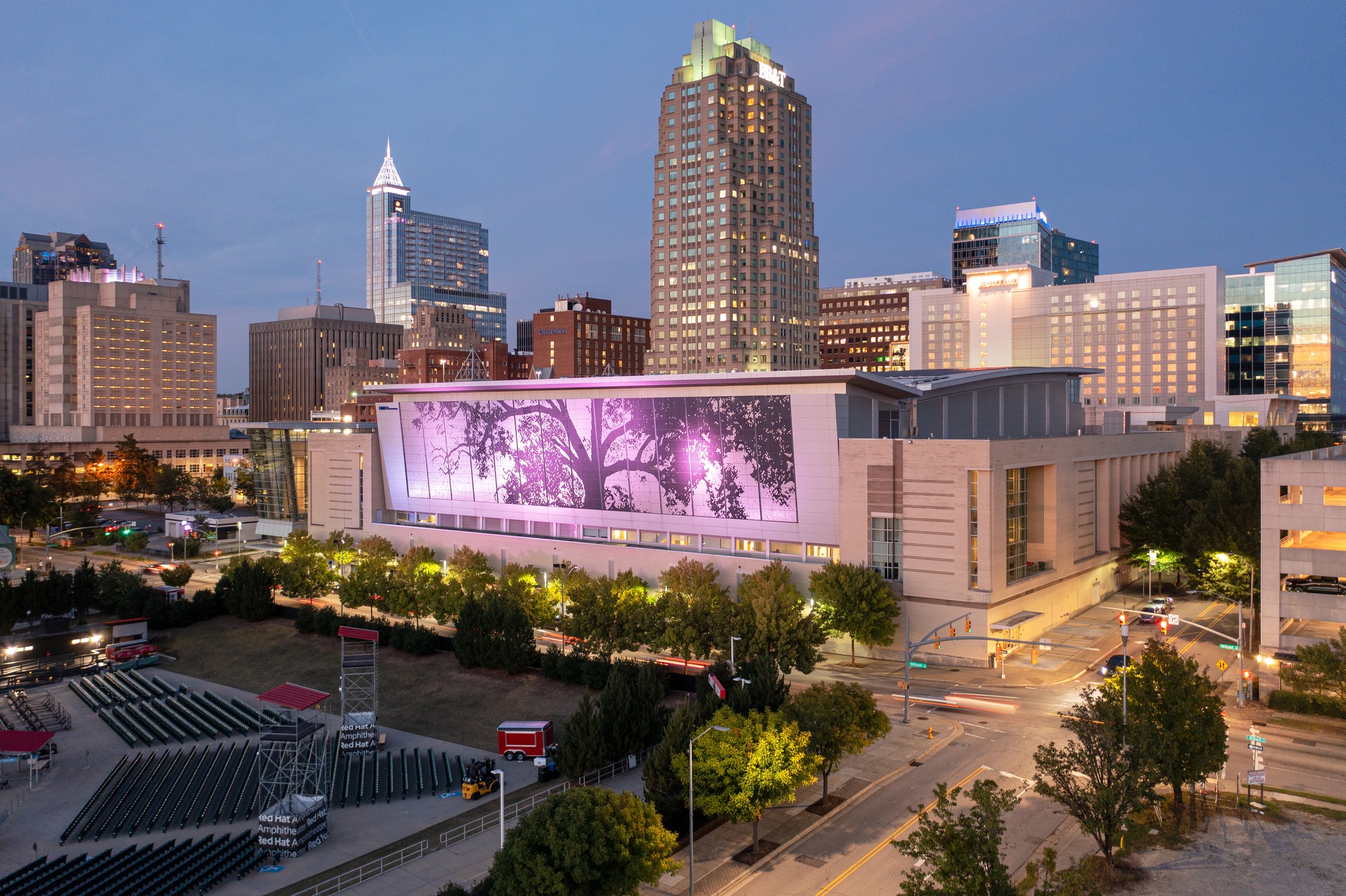
Raleigh, North Carolina is the state capital and one of the Triangle’s largest and fastest-growing cities, offering a broad range of neighborhoods, employment access, and lifestyle options. From urban districts near downtown to established suburbs and newer development areas, Raleigh provides variety — but choosing the right part of the city is essential.
Raleigh, NC is often best suited for buyers who want neighborhood variety, strong employment access, and flexibility in housing styles within the Triangle.
Located in Wake County and closely connected to Research Triangle Park (RTP), Durham, Chapel Hill, and RDU International Airport, Raleigh serves as a central hub for employment, education, and transportation across the Triangle. Its continued growth, infrastructure investment, and diverse housing stock make it a frequent choice for buyers comparing multiple Triangle markets.
Whether you’re researching homes for sale in Raleigh, NC, relocating for work in the Triangle, or evaluating different neighborhoods for lifestyle and commute considerations, this page offers a clear, balanced overview of what living in Raleigh is really like — including who it’s best for, what to know upfront, and how different areas compare.
Is Raleigh, NC a Good Place to Live?
This is one of the most common questions buyers ask when exploring the Triangle.
For many buyers, yes — Raleigh can be a good place to live, especially for those who want neighborhood variety, strong job access, and long-term growth potential within a major Triangle city.
That said, Raleigh is not uniform. Commute times, pricing, development patterns, and neighborhood character vary widely across the city. Buyers should carefully evaluate specific areas to ensure the location aligns with budget, lifestyle, and daily routines.
Why Buyers Consider Raleigh, NC
Raleigh attracts buyers who want flexibility, opportunity, and variety within the Triangle.
Key reasons buyers consider Raleigh include:
A wide range of neighborhoods and housing styles, from urban districts to established suburbs
Central location in Wake County with access to RTP, Durham, Chapel Hill, and RDU Airport
A strong employment base across technology, healthcare, education, and government
Ongoing infrastructure investment and city growth
Access to parks, greenways, cultural venues, and local amenities throughout the city
The ability to choose between walkable areas, suburban settings, and newer development depending on lifestyle and commute needs
Because Raleigh is large and diverse, neighborhood selection plays a major role in the overall living experience.
Who Raleigh, NC Is Best For
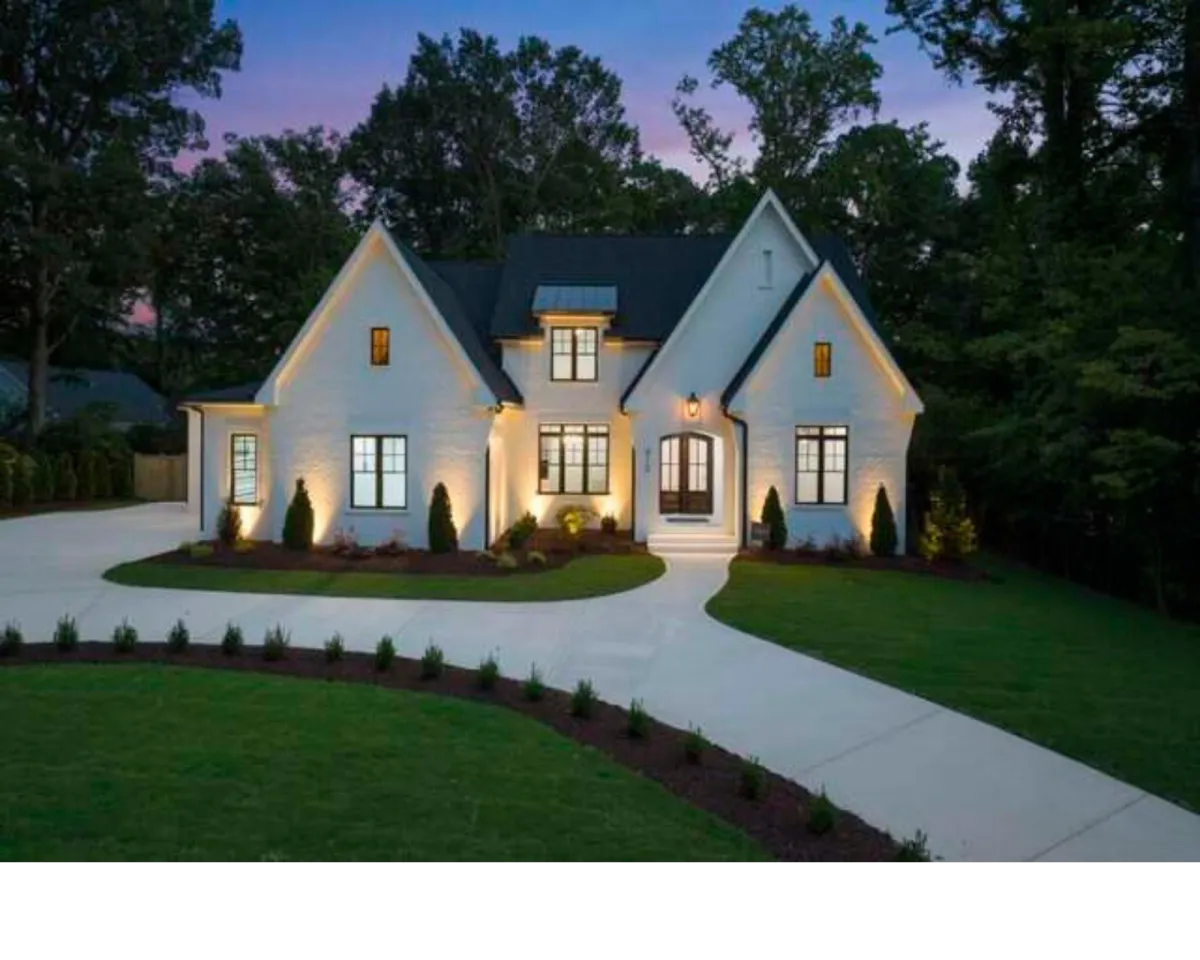
Raleigh tends to be a strong fit for buyers who:
Want choice among many neighborhoods and housing styles
Commute to RTP, downtown Raleigh, Durham, or other Triangle job centers
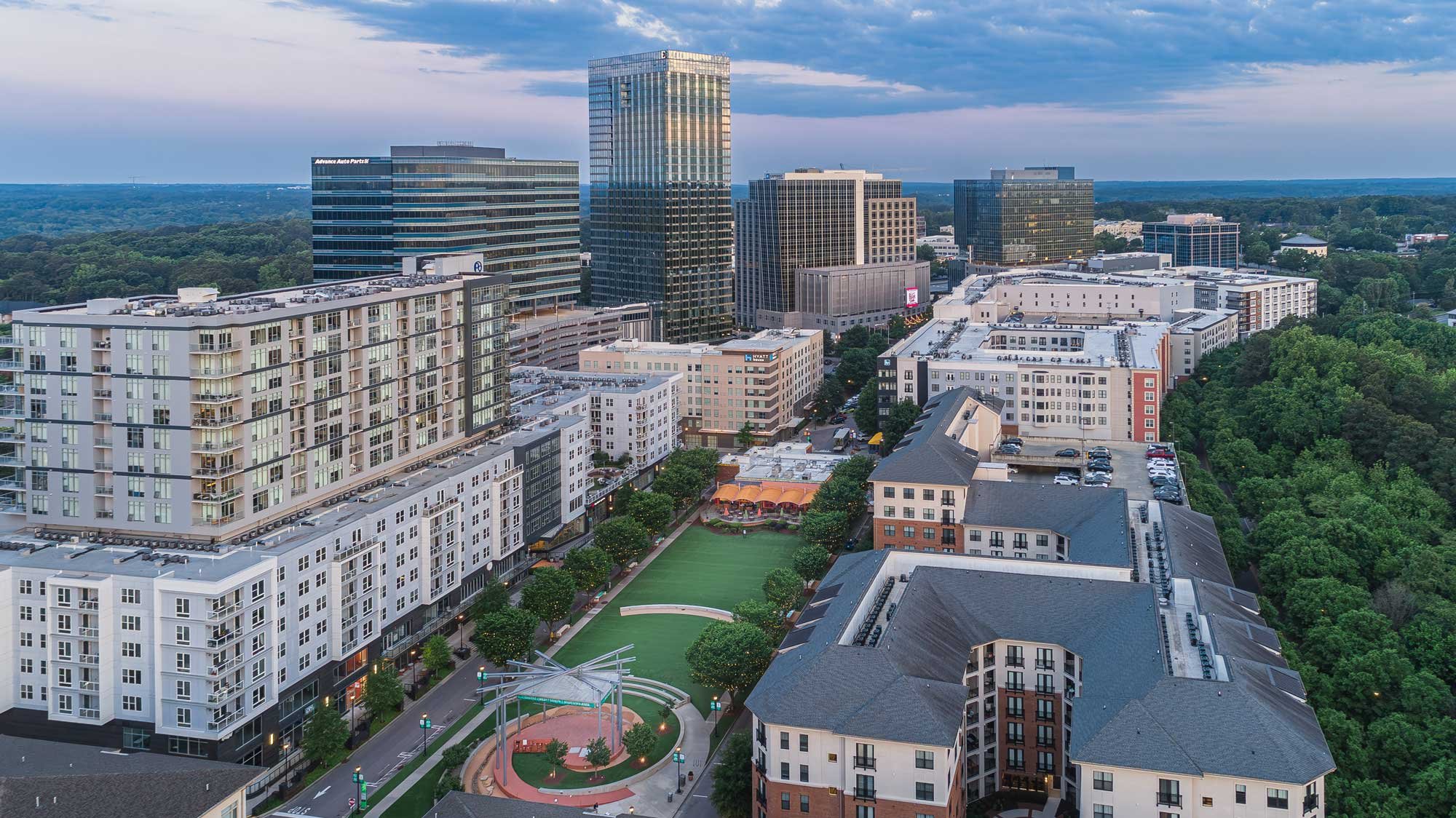
Prefer a mix of urban, suburban, and newer development options
Value employment access, amenities, and long-term stability
Are comfortable comparing specific areas within a large city
What to Know Upfront About Living in Raleigh, NC
Raleigh offers a wide range of neighborhoods and lifestyles, and there are several important considerations buyers should understand upfront.
Neighborhood experience varies widely across different parts of the city
Commute times depend heavily on proximity to downtown Raleigh, RTP, or surrounding suburbs
Home prices and housing styles can differ significantly by location
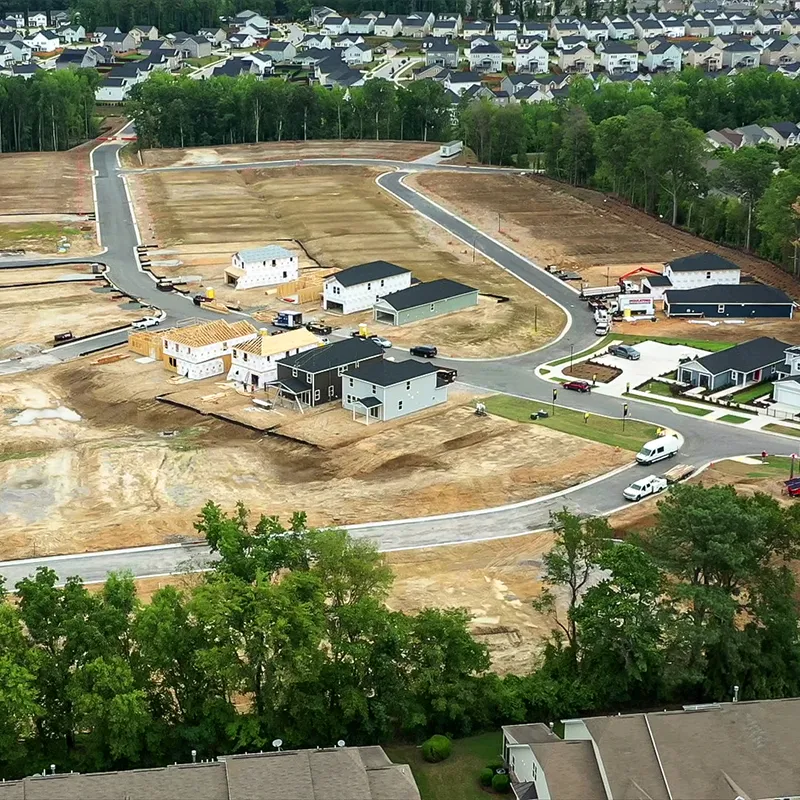
New construction is more common on the city’s edges than in established central areas
Traffic patterns and infrastructure can vary based on growth and time of day
Understanding these factors helps buyers choose the right area of Raleigh based on lifestyle priorities, commute needs, and housing preferences.
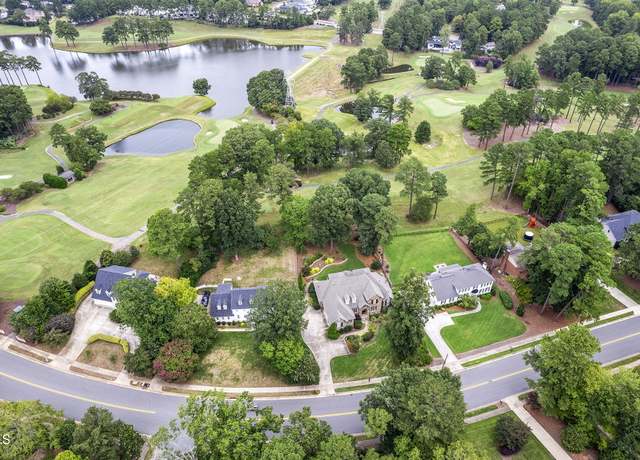
Who Raleigh, NC May Not Be Best For
Raleigh may not be the best fit for buyers who:
Want a small-town or rural environment
Prefer a uniform housing style or price point across an entire city
Need very short, predictable commute times in all directions
Want to avoid ongoing growth and development
Prefer a fully walkable urban experience without using a car
For buyers seeking a more compact, slower-paced, or highly uniform environment, other Triangle communities may offer a better fit.
🟩 Quick Summary for Buyers
Raleigh, NC is often best suited for buyers who want neighborhood flexibility, strong employment access, and a wide range of housing options within the Triangle — and who are willing to evaluate specific areas carefully to find the right fit.
Search for properly in RALEIGH Homes for Sale
Schools in Raleigh, North Carolina
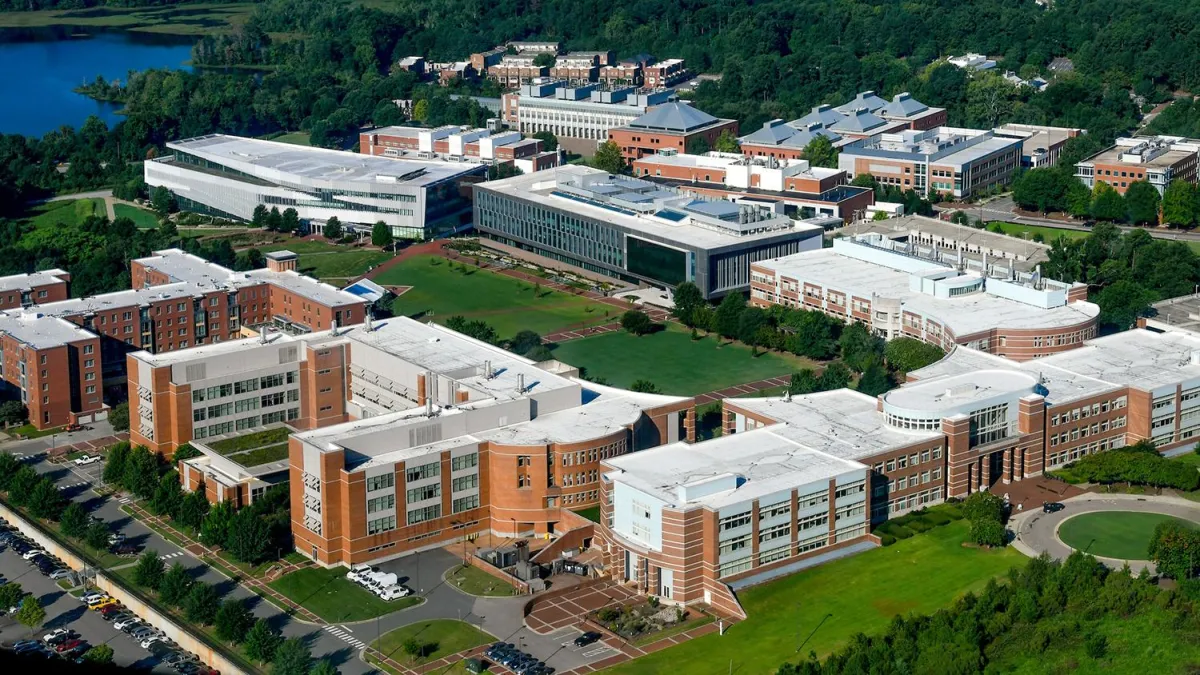
Raleigh is served by the Wake County Public School System, one of the highest-rated districts in North Carolina. Schools are one of the biggest drivers of neighborhood demand and resale value, which is why school assignment is an important part of any Raleigh home search.
Raleigh school options include:
Traditional public schools across Wake County
Magnet programs (Wake County is known nationally for magnet offerings)
Charter schools throughout the area
Private schools and specialized education options
Because Raleigh is large, school quality can vary by zone — so neighborhood choice matters.
Amenities & Community Services
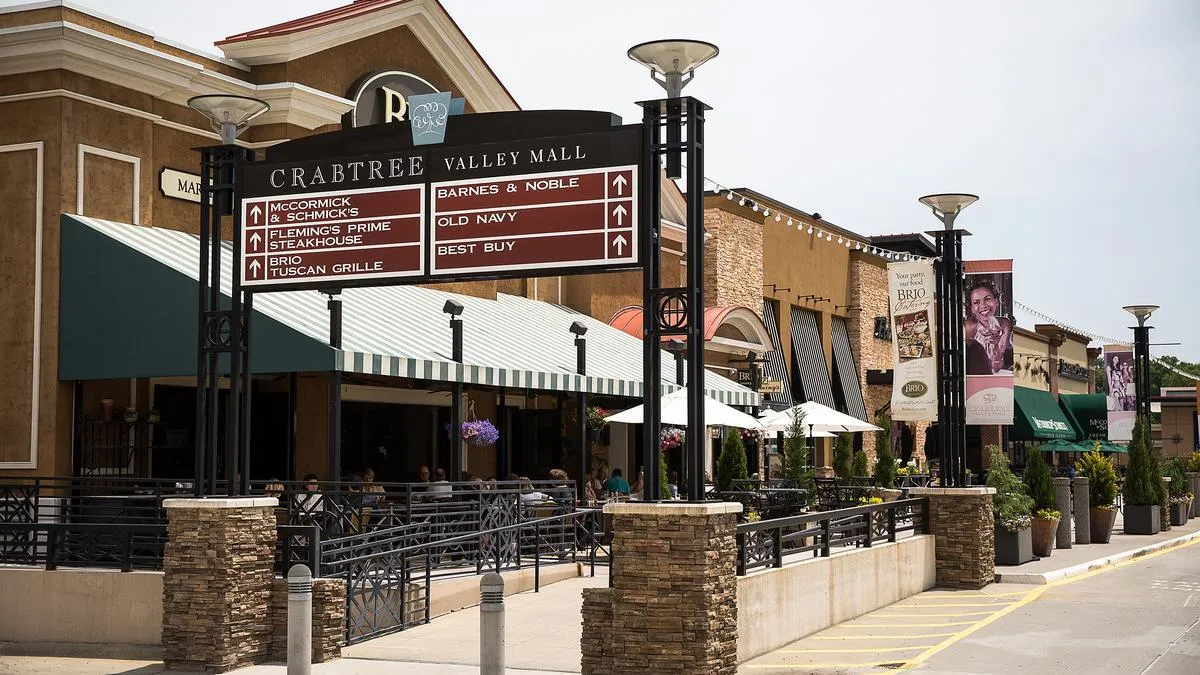
Raleigh offers major city amenities while still feeling livable and community-focused.
Hospitals and healthcare including WakeMed and UNC Health access
Major shopping and dining districts
Local libraries and community centers
Museums, arts venues, and cultural institutions
Seasonal festivals and community events year-round
From downtown to North Raleigh to Southeast Raleigh, amenities vary — which is why lifestyle goals should guide location.
Parks & Outdoor Living
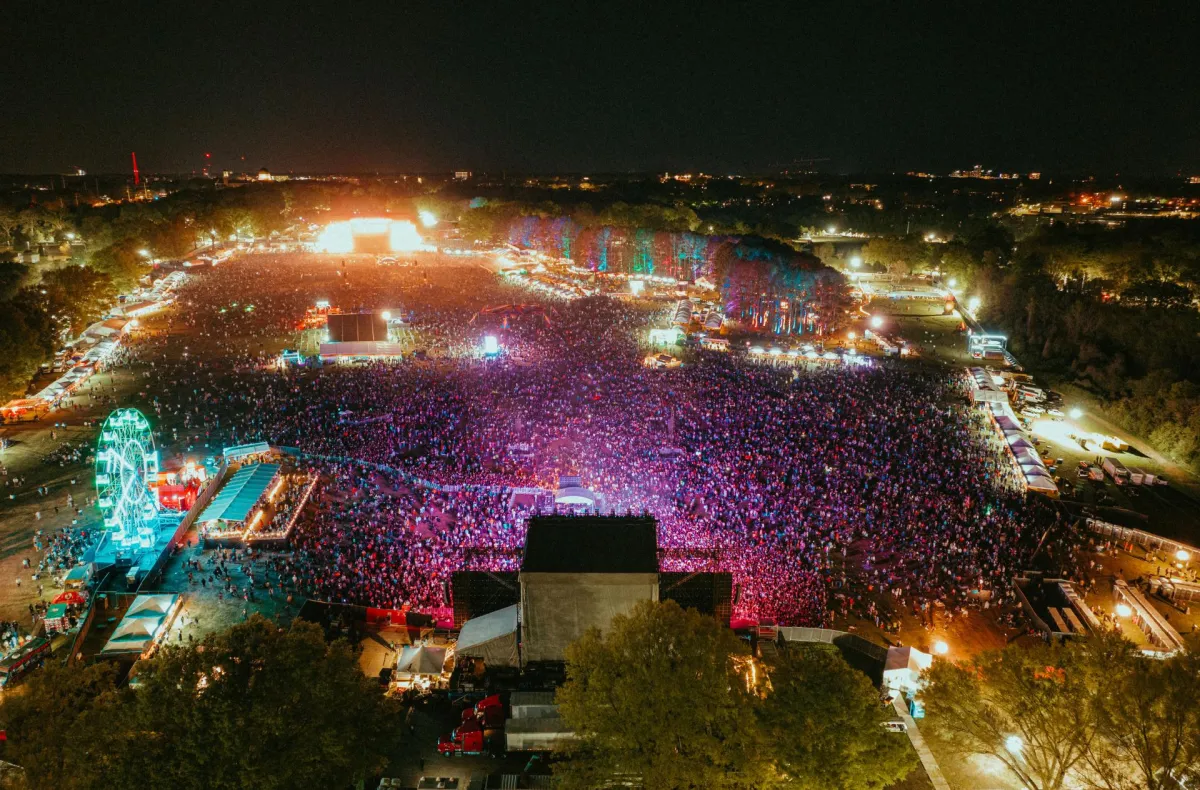
Raleigh is one of the best cities in the region for parks and outdoor recreation.
Popular outdoor spaces include:
Umstead State Park
Lake Johnson Park
Shelley Lake
Neuse River Trail
Pullen Park
The city’s greenway network gives residents miles of trails for biking, running, and outdoor activities.
Commute & Accessibility
Raleigh offers strong connectivity throughout the Triangle, but commute time depends heavily on neighborhood location.
Many areas are 15–30 minutes to RTP
20–35 minutes to Durham depending on traffic
Easy access to I-40, I-440, US-1, and NC-540
RDU International Airport typically 15–25 minutes from many parts of the city
If commute is a priority, choosing the right area of Raleigh is one of the most important decisions you’ll make.
Dining & Entertainment in Raleigh
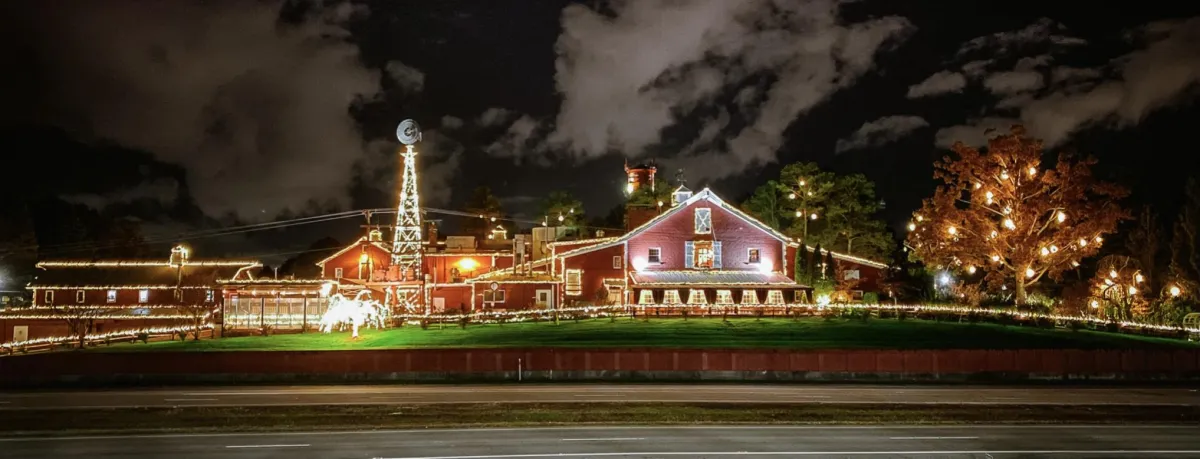
Raleigh has one of the Triangle’s strongest entertainment scenes, with a growing food culture and constant events.
Popular highlights include:
Downtown dining, breweries, and coffee shops
Concerts and sports venues
Museums and cultural events
Food halls, farmers markets, and festivals
Raleigh is ideal for buyers who want both neighborhood living and city-level entertainment nearby.
The Honest Reasons Clients Choose Me—And What You Should Expect
About This Guide & Local Insight
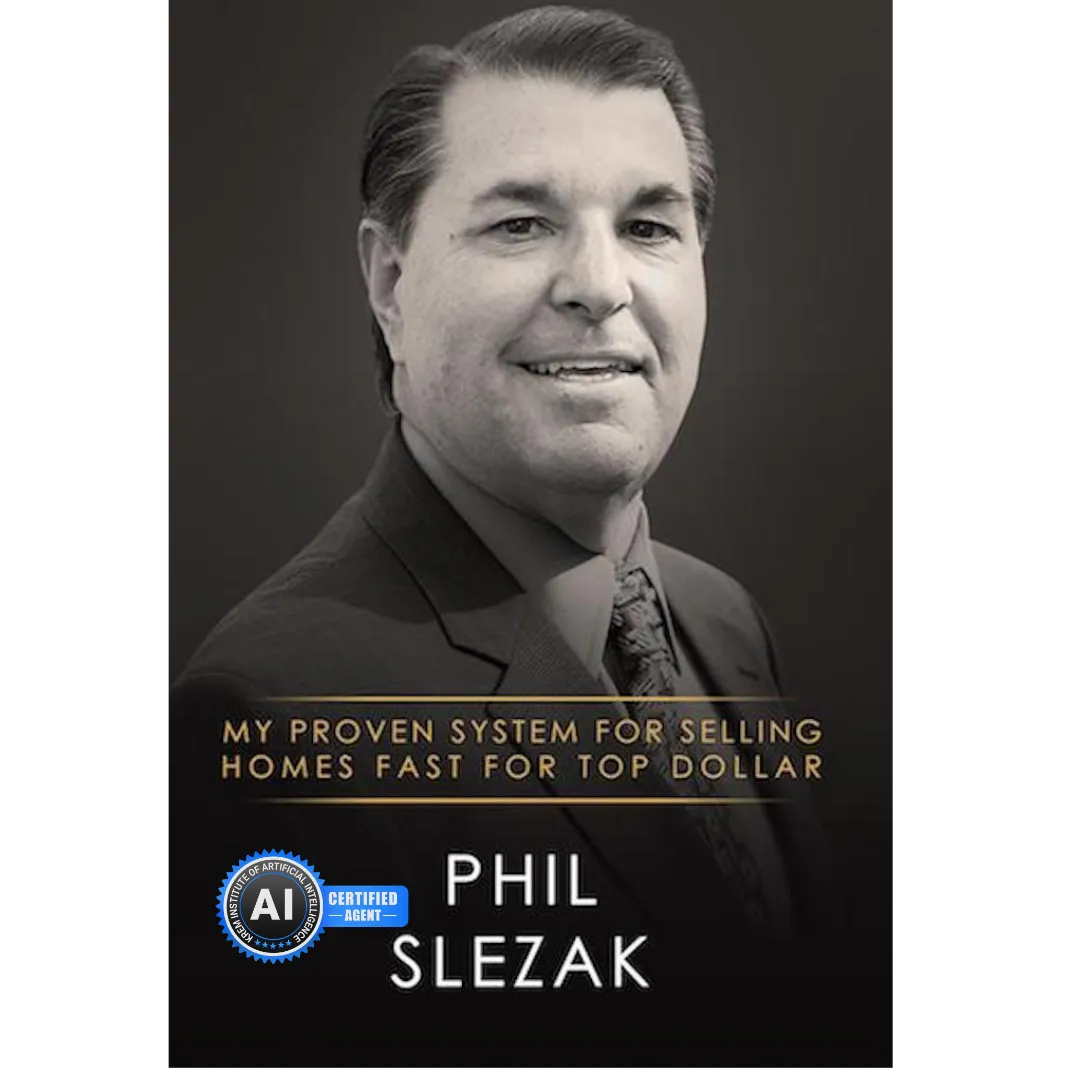
Hi, I’m Phil Slezak, an AI-Certified Real Estate Agent with more than 20 years of experience helping buyers, sellers, and relocating clients across the Triangle and surrounding areas. While I’m based in Apex, I work with clients throughout communities like Raleigh, helping them understand how each town fits their lifestyle, commute needs, and long-term goals.
My approach goes beyond helping you buy or sell a home. I focus on providing clear information, local context, and honest guidance so you can make confident, well-informed decisions—whether you’re exploring Raleigh for the first time or narrowing down your options between multiple areas.
By combining firsthand local market experience with modern, AI-powered tools, I aim to make the process more transparent and efficient—so you can focus on finding the right fit, not navigating guesswork.
How I Help Buyers Navigate Raleigh & the Triangle
When you work with me, you can expect:
Over 20 years of local real estate experience across the Triangle and surrounding communities
Data-driven insights supported by AI-powered tools to help you evaluate options more clearly
Straightforward, transparent guidance—no pressure, no hidden agendas
Clear communication so you always understand what’s happening and what comes next
A personalized approach based on your goals, timing, and comfort level
Access to trusted local resources, including lenders, inspectors, and service providers
Optional Buyer Programs
Some buyers may also qualify for optional programs designed to provide added flexibility and peace of mind. Details and eligibility are always provided clearly and in writing.
Buyer Home Guarantee – Offers additional options if your housing needs change after purchasing
Sold Zero Commission Program – Available to qualified clients when buying and selling together
If you’d like to understand how these programs work and whether they apply to your situation, I’m happy to walk through the details.
Frequently Asked Questions About Raleigh, NC
Is Raleigh, NC a good place to live?
Yes. Raleigh is popular for its strong job market, parks, neighborhood variety, and long-term growth. The best fit depends on where you live within the city and what lifestyle you want.
How much do homes cost in Raleigh, NC?
Home prices vary widely by neighborhood, home type, and location. Raleigh offers everything from entry-level homes to luxury properties in established areas.
What are the best neighborhoods in Raleigh?
Raleigh has many distinct neighborhoods ranging from walkable downtown areas to suburban communities. The best neighborhood depends on budget, commute, and school preferences.
Are Raleigh schools good?
Raleigh is served by Wake County Public Schools, which offers traditional, magnet, charter, and private school options. School quality varies by zone, so location matters.
How far is Raleigh from RTP and RDU Airport?
Many parts of Raleigh are 15–30 minutes from RTP and 15–25 minutes from RDU Airport, depending on traffic and neighborhood location.
Is Raleigh a good place for families?
Yes. Many families choose Raleigh for schools, parks, neighborhood options, and access to jobs across the Triangle.
Thinking About Moving to Raleigh NC?
If you’re considering Raleigh or comparing it to other communities across the Triangle and Triad, having local context can make the decision clearer. I’m happy to answer questions, share market insight, or help you explore available homes based on your goals and timeline.
PHIL SLEZAK REAL ESTATE
CONNECT
OUR PROGRAMS
LEGAL
Phil Slezak Real Estate
421 Fayetteville Street, Suite 1100
Raleigh, NC 27601
(919) 355-PHIL


© Copyright 2026. Phil Slezak Real Estate. All Rights Reserved.